
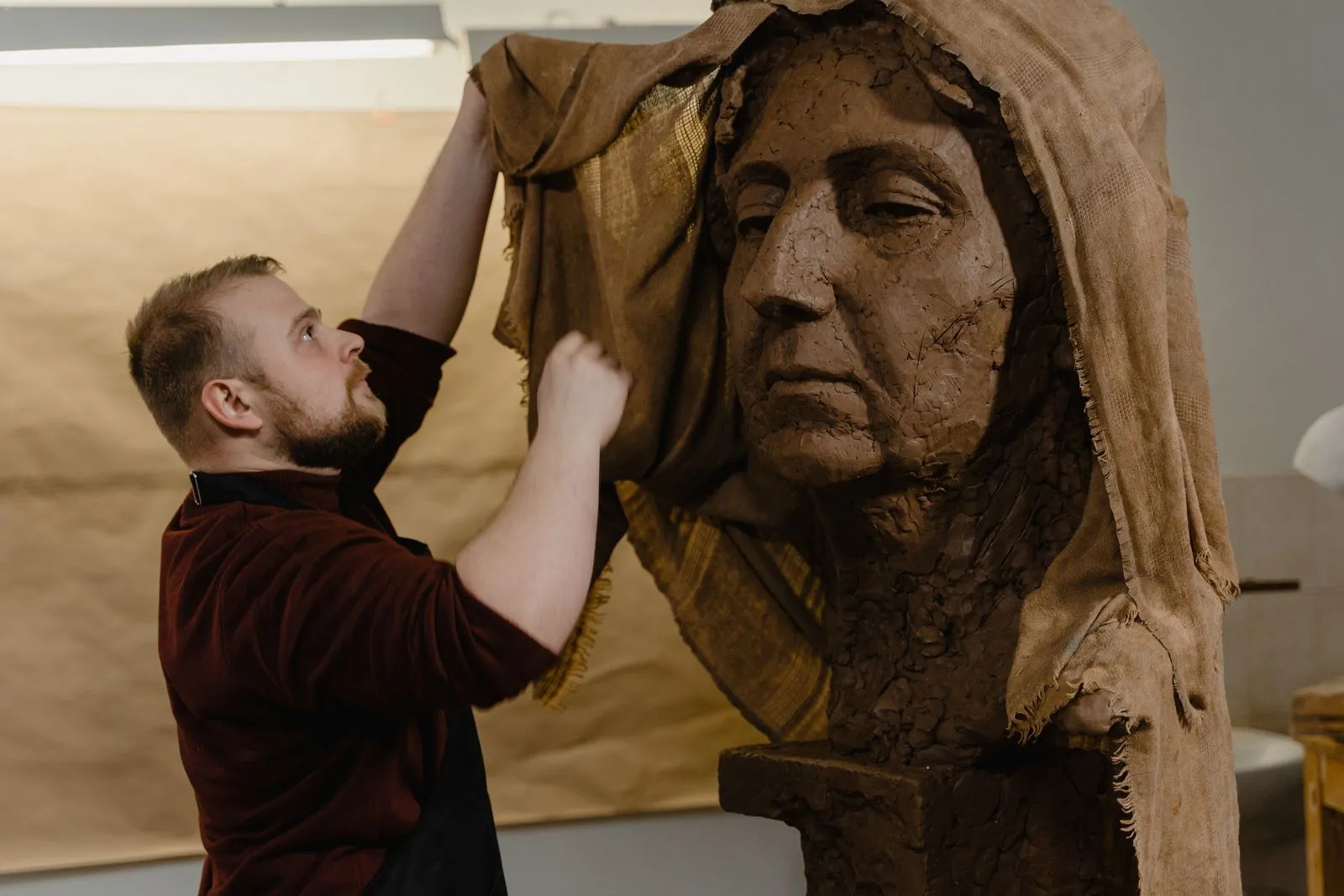
A ceramic sculpture can bring focus, texture, and a sense of movement to a room. The right piece should suit both the space it occupies and the way you use that space. Before choosing, look at the sculpture’s size, where it will sit, the colors nearby, and how its shape relates to the room’s furniture and architecture. These practical checks can help you find a piece that feels considered rather than crowded or disconnected.
Start With Scale
Measure the surface or floor area where you plan to display the sculpture. For a shelf or console, note the available width and height, including space above the piece. A sculpture should have enough room around it to read clearly. If it shares a surface with books, lamps, or framed photos, account for those objects before deciding how large it can be.
Think about the room’s proportions as well as the display spot. A small piece may disappear against a broad wall or on a deep mantel, while a large form can dominate a compact table. If possible, mark the sculpture’s approximate footprint with paper or a box. This simple test helps you judge its presence before bringing it home.
Choose Its Placement
Decide whether the sculpture will be viewed from one main angle or from several sides. A wall shelf may favor a piece with a strong front, while a freestanding sculpture often benefits from a form that looks engaging from multiple directions. Place it where people can see it without blocking a walkway, door, or useful surface.
Check the lighting at different times of day. Side light can reveal texture and cast interesting shadows; direct sun may make a glossy finish distracting or expose the piece to unnecessary heat. Keep the sculpture away from edges where it could be knocked over. For a high-traffic home, choose a stable base and a location with some protection from bumps.
Work With Room Color
Look at the room’s dominant colors, then decide whether the sculpture should blend in or stand apart. A piece in a related hue can connect with nearby textiles, wood tones, or artwork. A contrasting color can create a focal point, especially when the rest of the display stays simple. Compare the sculpture with the actual objects around it, not only with a paint swatch.
Surface finish matters as much as color. Matte clay can add a quiet, earthy note, while a glazed surface may reflect light and feel more vivid. Consider the colors and finishes already present in the room, including metal hardware, glass, and upholstery. If the sculpture has several tones, use one of them elsewhere in a small detail to make the display feel cohesive.
Match Form to the Room
Notice the lines and shapes already in the space. Rounded furniture and soft textiles can pair naturally with an organic, flowing sculpture. A room with clean edges and strong geometry may suit an angular or upright form. This does not mean every shape needs to match; a clear contrast can add energy when the piece has enough breathing room.
Consider visual weight, not just physical size. A broad, dark sculpture may feel heavier than a taller, open form in a lighter finish. Place the piece near elements that balance it, such as a substantial lamp or a simple stack of books, but avoid building a crowded arrangement. Desert Form Studio in Phoenix creates ceramic sculpture for a range of spaces; bring measurements and photos when discussing a piece for your room.
The best choice balances the sculpture’s scale, viewing position, color, and form with the way your room already works. Measure first, test the placement, and consider how light and nearby shapes affect the piece. If you are exploring options for your space, contact Desert Form Studio to discuss the look and dimensions you have in mind.